A Practical Guide to Creating a Quiet, Balanced Garden Pond
Create a low-maintenance garden pond with British pond plants, water lilies, and marginal pond plants that thrive together without drama.
Designing a small, tranquil pond space
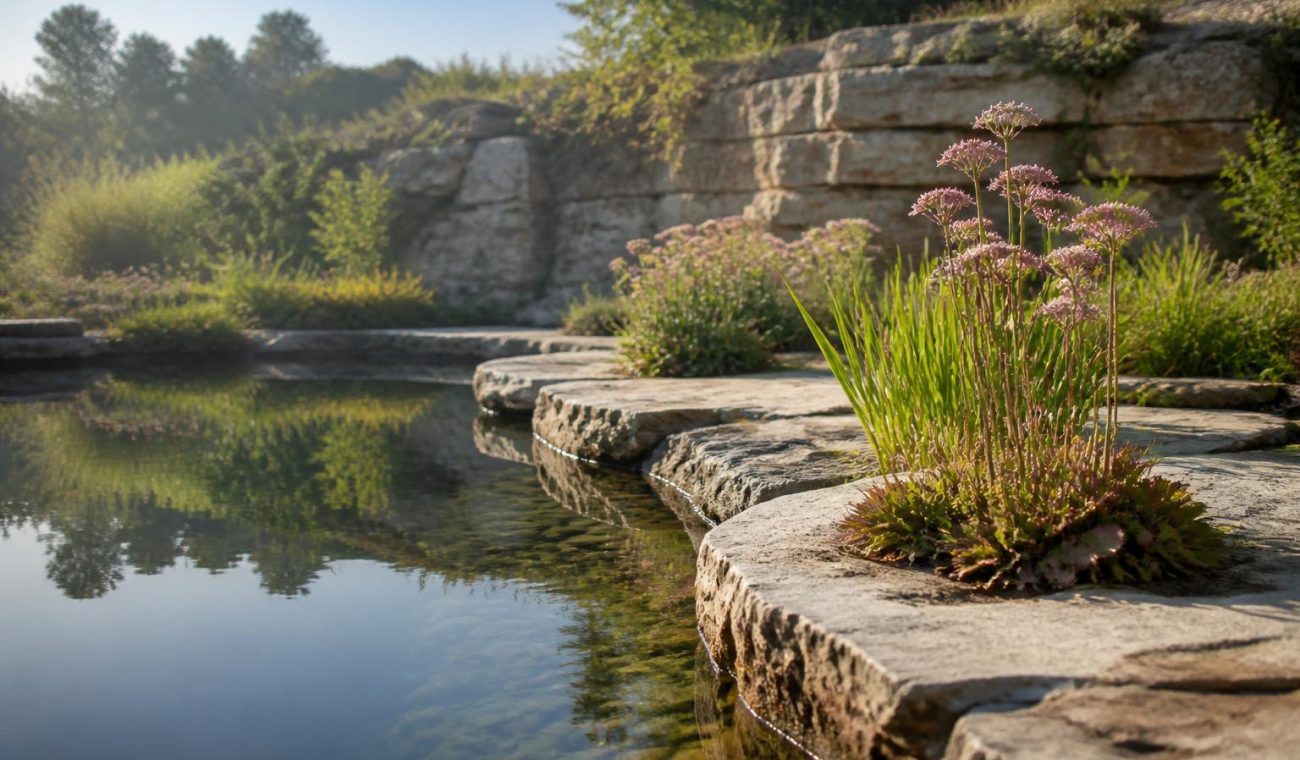
A garden pond should feel like a quiet retreat, where the surface mirrors the sky and surrounding plants. Start by choosing a spot that receives a mix of sun and shade, avoiding gusty edges and heavy tree roots that can disturb the substrate. Water features, margins, and a simple liner help maintain a clean look, while still offering habitat for wildlife. Buy Marginal Pond Plants—ensuring you source robust marginal types to frame the water and provide shelter for beneficial insects.
Think in layers: the deepest zone for water lilies, a middle shelf for pond plant varieties, and a shallow margin that invites wildlife and wicks away algae. The goal is a balanced ecosystem where plants manage nutrients, reduce algae, and create a canvas for peaceful observation. Use rounded stones and gentle slopes to blend edges with the surrounding garden, avoiding harsh transitions that feel commercial.
Choosing the right variety: water lilies and beyond
Water lilies are often the visual anchor of a garden pond, their broad leaves casting shade that slows algae growth while their blooms punctuate the surface. For a British climate, select hardy varieties with robust wintering habits and a long flowering period. Position lilies at a depth that keeps the root crown stable and leaves floating generously to diffuse direct sunlight from deeper water.
Alongside lilies, consider native or well-adapted pond plants that tolerate seasonal changes. Marginal pond plants edge the water with color and texture, while helping filter nutrients at the margin. A thoughtful mix keeps the pond interesting through the year, with evergreen foliage providing structure during winter and vibrant blooms in summer.
Marginal pond plants: the edge of interest
Marginal pond plants form the living border between water and land, giving the pond a soft, natural frame. They thrive in shallow water, often rooted at the edge with foliage that sweeps toward the surface. Choose a mix of grasses, reeds, and flowering varieties to create movement and seasonal interest. These plants also shelter small invertebrates and provide cover for frogs and newts.
When selecting marginal species, aim for a balance between density and openness so light can reach the water surface and water lilies can flourish below. Plant in groups for impact, but leave pockets of open water to maintain a hover of insects that birds and other wildlife may visit. Regular division every few years keeps growth vigorous and compact.
Maintenance routines for a healthy pond balance
Establish a simple maintenance routine that keeps the water clear without heavy machinery. Skim debris daily, check water levels during dry spells, and prune overgrown foliage to prevent shading of the deeper plant zone. A light mulch of aquatic-friendly compost around the margin can nourish plants while suppressing weed growth.
Seasonal tasks include a gentle spring cleanup, mid-summer inspection of lilies and marginal plants, and a late-autumn reduction of plant mass to prevent crowding. Monitor for signs of nutrient imbalance, such as cloudy water or excessive algae, and respond with targeted plant adjustments rather than chemical interventions alone. This creates a robust, no-people-needed ecosystem that quietly sustains itself.
Naturalistic planting: textures, colors, and forms
Texture matters as much as color in a peaceful pond garden. Combine rounded leaf forms of water lilies with the linear blades of marginal plants and the soft, feathery look of grasses. Consider a palette of greens with occasional accent hues from flowering varieties, ensuring that sunlight still reaches the water to support photosynthesis in all aquatic plants.
Use plant height to sculpt the scene: place taller marginal varieties toward the back and shorter lilies toward the center, creating a layered silhouette. Seasonal color shifts will keep the pond interesting without becoming noisy. The key is restraint—select a few varieties that complement each other and the garden beyond, rather than chasing every new cultivar on the market.
Water quality and ecosystem health
Healthy water begins with a balanced plant community and a gentle turnover of nutrients. Aquatic plants uptake nitrates and phosphates, helping to keep the water clear. Ensure the pond has adequate oxygenation, and maintain a reasonable stocking level if you introduce fish, as this affects algae dynamics and plant growth. A shaded, well-vegetated margin reduces evaporation and moderates temperature spikes.
Regular observation is a simple form of care: note the pace of growth, identify any signs of disease, and adjust planting density to prevent overcrowding. A diverse plant mix—water lilies, marginal pond plants, and companion species—creates a resilient system that shares resources and supports a range of wildlife without human intervention, except for occasional seasonal tweaks.
Seasonal showcase: what to expect through the year
In spring, watch for fresh foliage unfurling around the margins and the first bloom of water lilies as the water warms. Plant looks emerge with vigor, and the new growth provides shelter for emerging pond life. As summer settles in, the pond feels full and alive, with floating lilies creating shade and a calm, reflective surface inviting contemplation.
Autumn brings rich color from late-blooming marginal plants, while the water slows its movement and prepares for a quieter winter. Plan for pruning that preserves structure, and allow some plant residues to remain as habitat for overwintering invertebrates. Winter’s stillness is a chance to observe how a well-planned mix of pond plant varieties sustains balance with minimal maintenance.
Texture to deepen the pond’s appeal
- Include a mix of broadleaf and fine-textured foliage to create visual contrast.
- Place a sculptural stone near the margin to anchor the planting bed.
- Use a single focal bloom to draw the eye without overpowering the scene.