The Real Truth About Infrared Beds You Should Know — A Practical Look
Introduction: A Kitchen-Table Moment About Heat and Healing
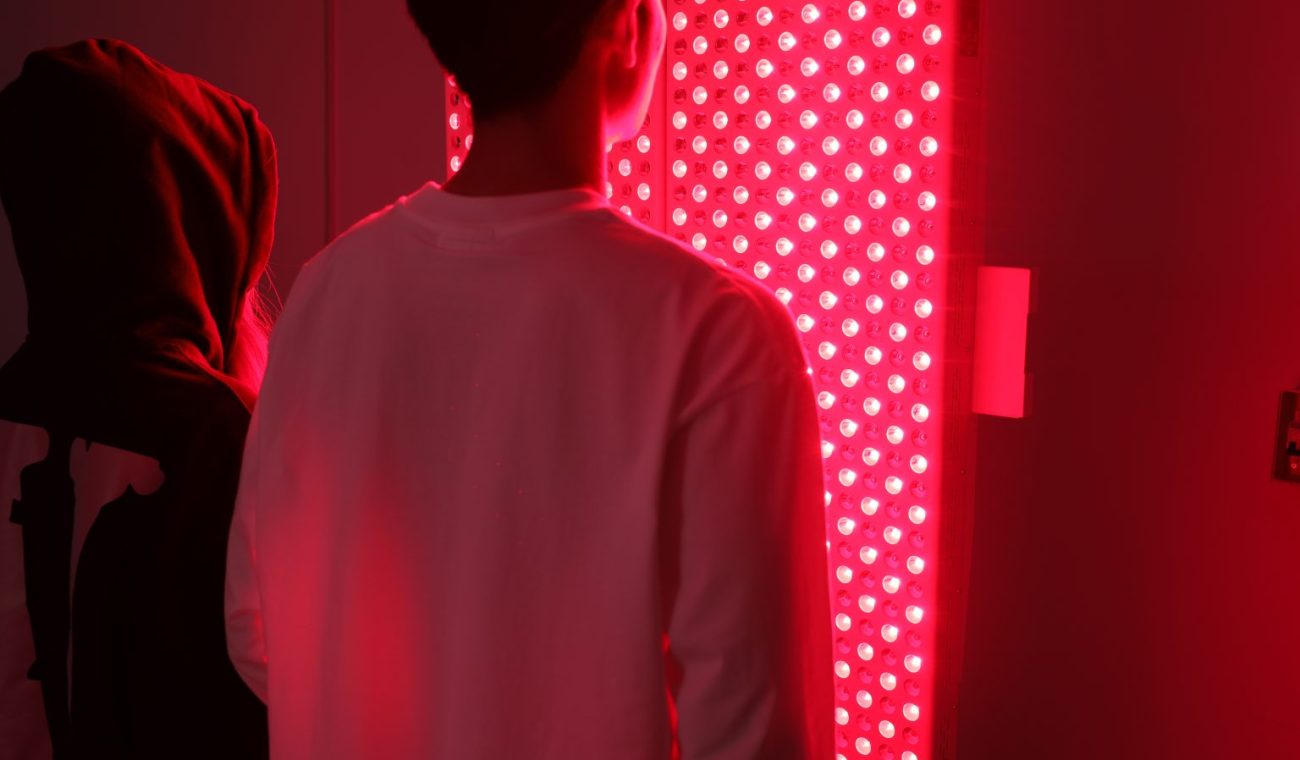
I once sat in a small clinic, the air smelling faintly of eucalyptus and warm silicone, watching a therapist tune an infrared bed like a chef adjusting a low flame. In that room, the soft glow and gentle hum hinted at something precise and deliberate; infrared beds felt less like machines and more like instruments. Data shows many people seek heat-based recovery — search interest has climbed year over year — and yet everyone still asks the same basic question: do these beds actually help? (I remember thinking: why isn't this clearer?)
Let me be frank: I’ve tested equipment with different LED arrays and varied infrared wavelengths. I’ve felt the warm pulse across skin and muscle. The sensation is immediate — soothing, deep — but sensation alone isn’t proof. We want measurable outcomes: reduced pain scores, faster tissue repair, better circulation. So I’m going to walk through what works, what doesn’t, and why some products overpromise and under-deliver. This piece reads like a recipe: clear steps, honest ingredients, no fluff — and then we’ll decide if the heat is worth it.
Next, I’ll peel back the curtain on the common problems hiding beneath glossy ads and clinical-sounding claims.
Part 2 — The Hidden Problems Behind Popular Choices
led red light therapy beds for sale flood the market with bold claims. I’ve seen units priced to look boutique yet built like toys. The deeper issue isn’t just cost; it’s flawed design thinking. Traditional solutions assume uniform heat equals uniform benefit. That’s wrong. Photobiomodulation depends on proper wavelength, dosage, and exposure time. When manufacturers skimp on power converters or cheap LED arrays, the device can’t deliver consistent irradiance. Look, it’s simpler than you think — inconsistent output ruins results.
Users also report hidden pain points that rarely make the brochure. Many experience uneven heating — hot spots near LEDs, cool zones elsewhere. Others complain of short session windows that force compromises: stick with a low dose, or risk overheating. There’s also the practical side: bulky beds that eat space, opaque controls, and lack of maintenance guides. These are real frustrations. I’ve repaired units with loose connectors and found firmware that limits the true therapeutic window — funny how that works, right?
Why do people still buy the wrong models?
Mostly because marketing is persuasive and evidence is buried. People see "infrared" and assume clinical-grade results. They trust glossy photos, not irradiance charts or independent studies. As a buyer, ask for specs: peak irradiance, wavelength distribution, and duty cycle. Demand answers. If sellers dodge details, walk away — I say that from hard-won experience.
Part 3 — What Comes Next: Smarter Designs and Clear Metrics
Looking ahead, I see two paths: incremental tweaks or genuine redesigns that treat light therapy like engineering, not decoration. New technology principles emphasize precise control — closed-loop thermal regulation, calibrated LED arrays, and verified energy delivery. I expect advances in sensor feedback (temperature sensors, irradiance sensors) to make sessions safer and more repeatable. And yes, led red light therapy beds for sale will continue to evolve — some will lead, others will follow. I’m cautiously optimistic.
Case in point: clinics that adopt devices with real-time monitoring report fewer complaints and better outcomes. You see the shift: more papers cite exact wavelengths and dose metrics, not vague phrases like "promotes healing." That’s progress. — small steps, but meaningful. The future favors transparency: specs, test results, user logs. If manufacturers embrace that, patients win. If not, we get prettier shells with the same old problems.
What's Next for Buyers and Clinics?
Here are three practical metrics I recommend you evaluate before buying — because I want you to get value, not just style:
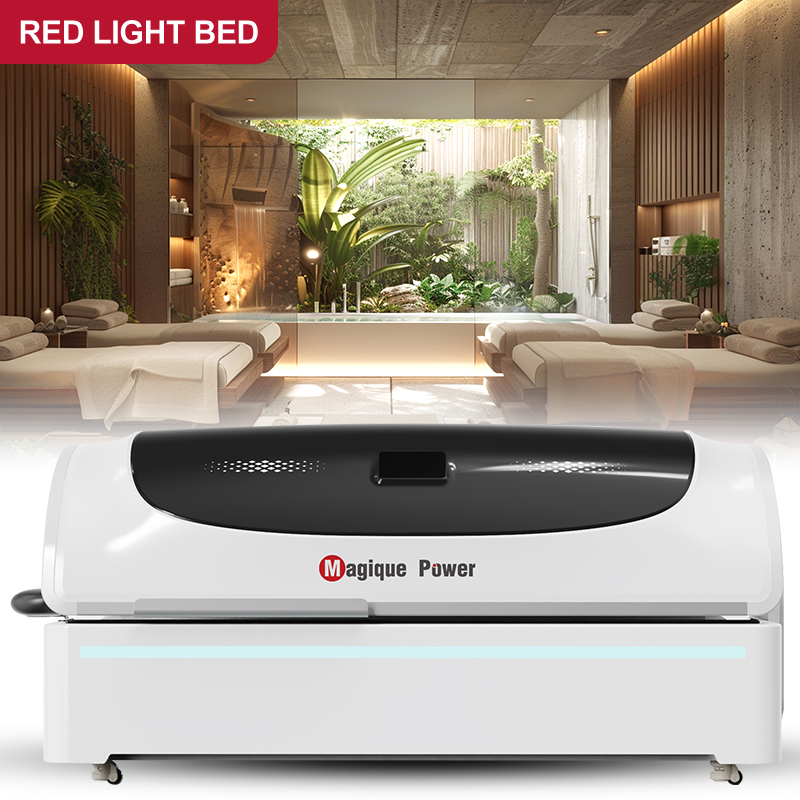 1) Irradiance at target distance (mW/cm²): Check lab-measured values, not just marketing figures. 2) Wavelength accuracy and distribution: Prefer devices that specify nm ranges and show spectral charts. 3) Thermal management and safety: Look for temperature sensors, duty-cycle limits, and quality power converters to avoid hot spots. These are my non-negotiables.
In short: be skeptical, ask questions, and demand data. I’ve seen good units that deliver consistent results — and I’ve seen overpriced gimmicks. Choose the former. For dependable options and clear specs, consider checking resources from trusted providers like Magique Power. I’m not selling a miracle; I’m sharing what I’ve learned so you can make better choices.