Sustainable LED Display Strategies for Commercial and Industrial Use
The problem: mismatched displays that waste energy and materials
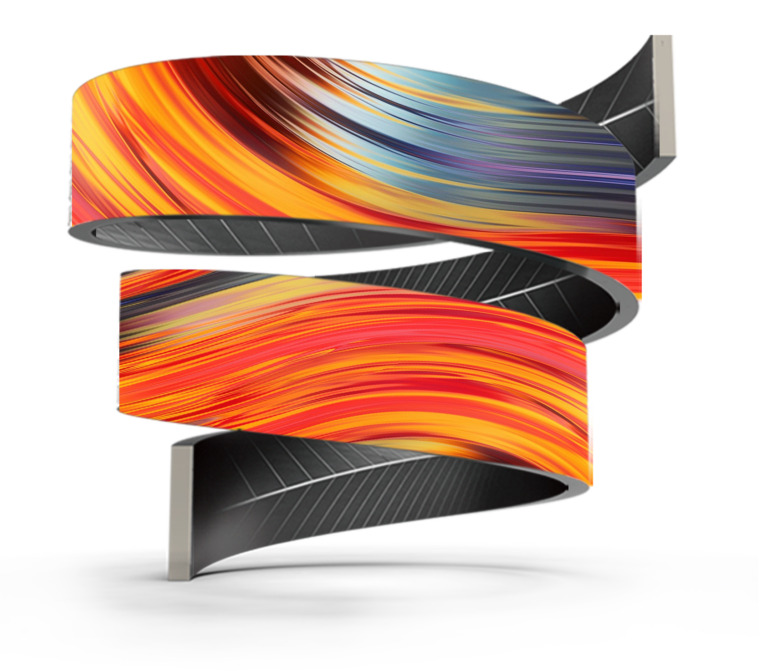
Large LED installations promise visibility but often deliver excess energy use, poor maintainability, and unnecessary waste when chosen without site-appropriate planning. Retail façades, factory control rooms, and transit hubs frequently get standard modules where a flexible led screen would reduce mounting hardware, material waste, and curve to fit architectural constraints—yet procurement still favors one-size-fits-all solutions. That mismatch drives higher lifecycle costs and heavier environmental footprints.
Why curved and adaptive displays solve specific environmental problems
Curved and shaped displays reduce framing, minimize dead zones, and often require fewer replacement parts over time; that matters where maintenance windows are costly. Evidence of impact shows up in landmark installations such as Times Square, New York, where continuous operation and tight form factors make durability and energy profile visible to millions. From decade-long fieldwork on urban and industrial projects I’ve learned to evaluate enclosure ratings, thermal pathways, and repairability first—these practical checks separate transient novelty from sustainable deployment. For sites needing complex geometries, a properly engineered led curved screen can cut both material use and service visits while meeting brightness and safety standards.
Common pitfalls and mistakes to avoid
Buyers often focus on peak brightness numbers while ignoring heat management; that leads to premature failure. Overlooking ingress protection (IP) for outdoor units causes corrosion and early replacements. Ignoring modularity creates long downtime when single-panels fail. Mistaking luminous intensity for readability causes overspecification and higher energy draw. Finally, skipping third-party verification of certifications (RoHS, CE, IP ratings) increases risk of noncompliant parts entering a long-term installation.
Alternatives, trade-offs, and when to choose each
Projection systems cost less upfront but fail in high ambient light and lack modular repairability. LCD video walls offer good color uniformity but add depth, more mounting, and often heavier waste at end-of-life. MicroLED promises superb efficiency and lifetime but remains expensive and limited for large, curved surfaces. For many commercial and industrial needs, shaped LED modules hit the balance: lower material overhead than framed LCDs, better daylight performance than projection, and quicker field repairs than monolithic displays.
Practical checklist for an environmentally sound deployment
1) Verify IP and thermal specs for your climate. 2) Prioritize modular cabinets and front-access maintenance. 3) Match pixel pitch to viewing distance—don’t over-specify. 4) Require repair documentation and spare-parts policy in contracts. 5) Insist on measurable energy metrics (operational watts/m²) and lifecycle disposal plans. Each step reduces unplanned replacements and lowers embodied emissions.
 Conclusion
Fix the procurement logic first: choose the display form that matches site constraints, service capacity, and measurable energy targets. When that logic is applied, curved and flexible LED approaches deliver visible benefits without excess material use. Long-term projects in urban signage and industrial monitoring benefit from tested engineering and clear maintenance pathways—exactly the kind of pragmatic solutions offered by HDC.